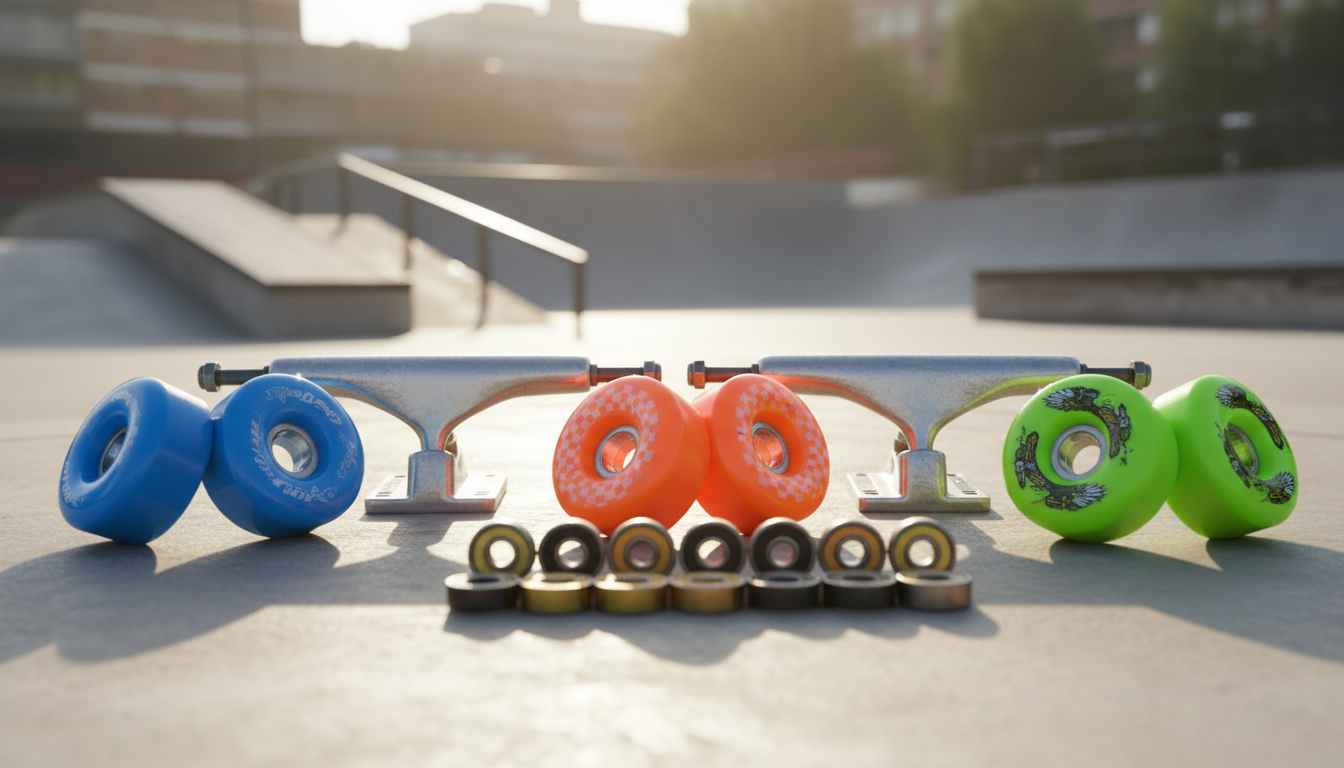
Regular skateboard maintenance is crucial for optimal performance and longevity of the board. Proper care of the wheels, trucks, and bearings can significantly enhance the overall skating experience.
This comprehensive guide covers all essential aspects of maintaining your skate gear, ensuring that your equipment remains in top condition. Even minimal maintenance can prevent costly replacements and extend the life of the various parts.
The guide is designed to be suitable for both beginners and experienced skaters, providing valuable insights into maintaining their skateboard. By following this checklist, skaters can ensure their safety while skating by preventing unexpected component failures.
The Importance of Regular Skateboard Maintenance
Regular skateboard maintenance is crucial for extending the life of your board. By keeping your skateboard in good condition, you can ensure it performs optimally and lasts longer. Maintenance is not just about fixing things when they break; it’s about preventing damage and wear in the first place.
Extending Skateboard Life through Maintenance
Proper care of your skateboard’s components, such as trucks, wheels, and bearings, can significantly extend its lifespan. Regular maintenance prevents premature wear, reducing the need for frequent replacements. This not only saves money but also ensures your skateboard is always ready to use.
Recognizing When Your Skateboard Needs Maintenance
There are several signs that indicate your skateboard needs attention. Squeaking noises, reduced speed, or difficulty turning are all indicators that maintenance is required. Environmental factors like moisture and extreme temperatures can also affect your skateboard’s performance and longevity.
The condition of your skateboard is closely related to your skating style and intensity. More frequent maintenance may be necessary for those who skate aggressively or in harsh conditions. A well-maintained skateboard not only performs better but also provides a safer skating experience.
| Component | Maintenance Task | Frequency |
|---|---|---|
| Trucks | Tighten loose bolts, adjust tightness | Weekly |
| Wheels | Inspect for wear, rotate | Monthly |
| Bearings | Clean, lubricate | Quarterly |
Essential Tools for Skateboard Maintenance
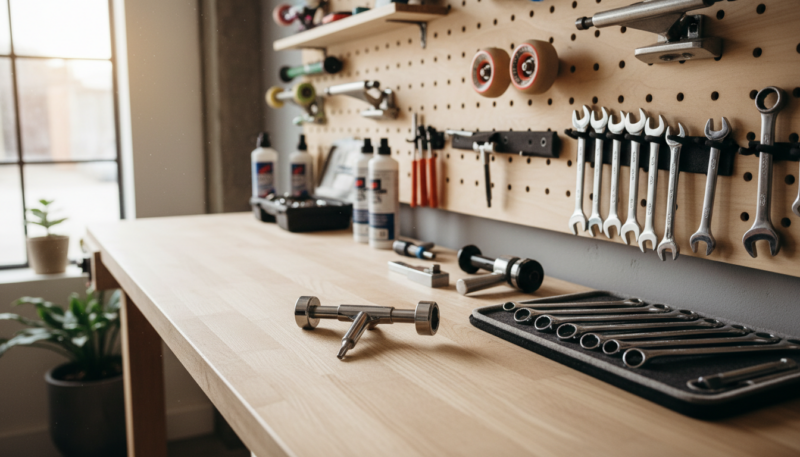
Maintaining your skateboard effectively starts with the right tools for the job. Every skateboarder should have a basic toolkit that includes essential tools for maintenance.
Basic Tools Every Skater Should Own
The fundamental tools for skateboard maintenance include a 9/16, 1/2, and 3/8 crescent or socket wrenches, and a Phillips head screwdriver. Alternatively, a skate tool that combines these functions is highly recommended. These tools are used for adjusting trucks, tightening bolts, and other basic maintenance tasks.
Optional Tools for Advanced Maintenance
For more advanced maintenance, specialized tools such as bearing removal tools can be very useful. These tools make it easier to clean and replace bearings, enhancing the overall performance of the skateboard. Investing in quality tools can make maintenance more efficient and prevent damage to skateboard components.
Truck Maintenance and Adjustment
Skateboard trucks require regular adjustment and maintenance to ensure optimal performance. The tightness of the trucks controls how easy or hard it is for the skateboard to turn, making it a crucial aspect of skateboarding.
Understanding Truck Components
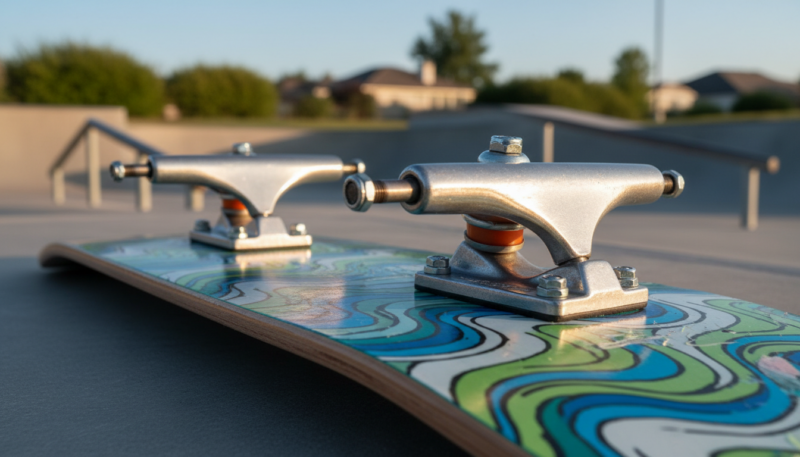
Skateboard trucks consist of several key components, including kingpins, bushings, and pivot cups. The kingpin is the large bolt that holds the truck together, while the bushings are the rubber or plastic parts that provide resistance when turning. Pivot cups are the metal or plastic cups that allow the truck to pivot smoothly. Understanding these components is essential for proper truck maintenance.
How to Properly Adjust Truck Tightness
Adjusting truck tightness involves turning the nut on the kingpin clockwise to tighten or counterclockwise to loosen. For beginners, a looser truck setting can make turning easier, while more advanced skaters may prefer a tighter setting for stability. To adjust, use a skateboard tool to turn the nut in small increments, testing the tightness after each adjustment.
Maintaining Truck Mounting Bolts
Regularly checking and tightening the truck mounting bolts is crucial to prevent deck damage. Ensure the bolts are securely attached to the skateboard deck by checking the 4 bolts and 4 nuts (3/8″) that hold each truck in place. Loose bolts can cause the truck to shift, potentially damaging the deck.
Complete Wheel Maintenance Guide
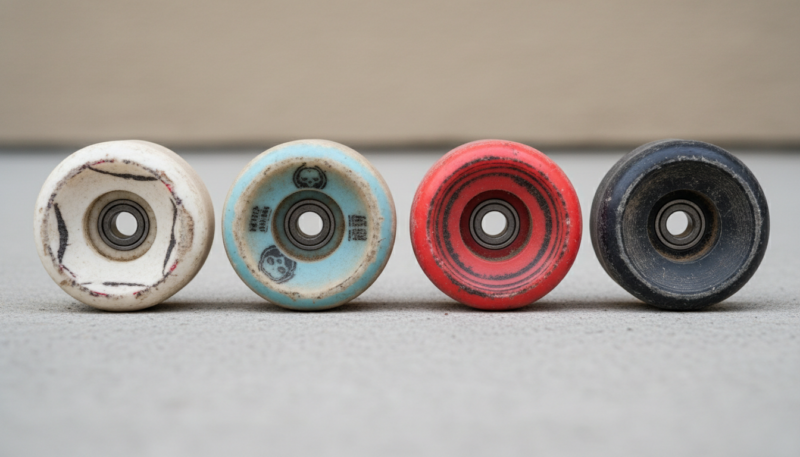
Proper skateboard wheel maintenance is crucial for a smooth ride and extending the lifespan of your wheels. Regular maintenance ensures that your skateboard performs optimally and remains safe to ride.
Inspecting Wheels for Wear and Damage
Visually inspect your skateboard wheels for signs of uneven wear, such as flat spots or coning. Check for any damage, like cracks or excessive wear on one side. Regular inspections can help identify issues early, preventing further damage to your skateboard.
Proper Wheel Rotation Techniques
Rotating your skateboard wheels promotes even wear and extends their lifespan. To rotate, swap the wheels in a diagonal pattern, ensuring that the wheels are moved from one axle to the other. This helps maintain even wear and prevents uneven wear patterns.
Adjusting Axle Nuts for Optimal Performance
Adjust the axle nuts to achieve the optimal balance between stability and wheel spin. Tighten the nuts as far as they can go without impeding the wheel’s spin. You should feel only a minor amount of play when moving the wheel side to side. For more detailed guidance, visit our Skateboard Wheel Maintenance guide.
Skateboard Bearing Maintenance and Cleaning
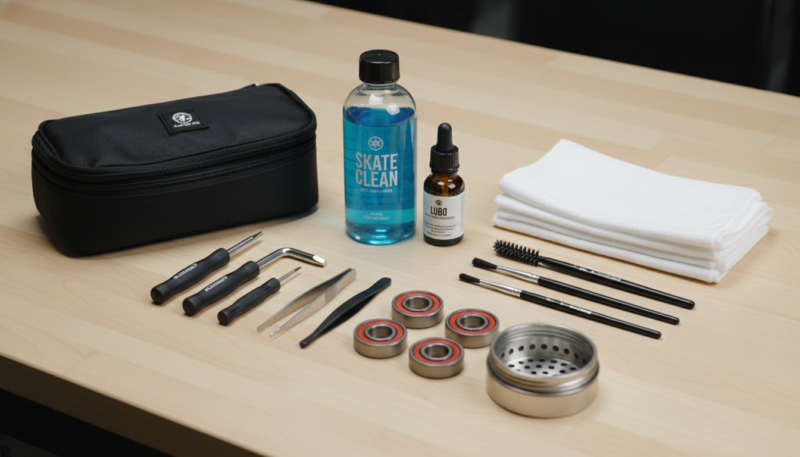
Maintaining your skateboard bearings is essential for optimal performance. Cleaning and lubricating skateboard bearings enhances their performance and longevity, keeping your skateboard wheels performing in top shape.
How to Remove Bearings Safely
To remove bearings safely, use a bearing puller to extract them from your skateboard wheels without damaging the bearing shield. This tool is crucial for preserving the integrity of your bearings.
Step-by-Step Bearing Cleaning Process
Start by gathering necessary supplies, including a cleaning solution and rags. Soak the bearings in the solution, then scrub and rinse them. Finally, dry the bearings thoroughly before lubricating. For a detailed guide, visit our maintenance support page.
Proper Lubrication Techniques
Apply a few drops of lubricant specifically designed for skateboard bearings onto the bearings. Rotate the bearings to distribute the lubricant evenly. The right lubricant can significantly improve your skateboard’s performance.
When to Replace vs. Clean Bearings
If your bearings are making excessive noise or are damaged, it’s time to replace them. However, if they’re just dirty, cleaning can restore their functionality. Regular maintenance can extend the life of your bearings.
Grip Tape Care and Maintenance
To ensure a secure grip on your skateboard, regular grip tape maintenance is necessary. The grip tape on your skateboard is crucial for maintaining control and ensuring safety while skating. Over time, grip tape can become dirty or develop bubbles, affecting its performance.
Cleaning Dirty Grip Tape
Cleaning dirty grip tape is a straightforward process that can help restore its original grip. Use a grip tape eraser or a small brush to remove dirt and debris. For more stubborn marks, a gentle cleaning product can be used, but be cautious not to damage the adhesive or the deck.
Fixing Grip Tape Bubbles and Damage
Bubbles under the grip tape can be fixed by popping them with a razor blade or a pin and then smoothing out the air. For larger areas of damage, it may be necessary to replace the grip tape entirely. Regularly inspecting your grip tape can help identify issues before they become major problems.
Protecting Your Skateboard from Environmental Damage
Protecting your skateboard from environmental factors is crucial for maintaining its condition and longevity. Environmental elements such as water, moisture, and extreme temperatures can significantly damage various skateboard components, particularly the bearings and wooden deck.
Avoiding Water and Moisture Exposure
Water and moisture can cause rust on metal parts, damage the bearings, and weaken the wooden deck of your skateboard. To avoid this, keep your skateboard dry and clean. If it gets wet, dry it immediately and apply lubricant to the bearings.
Temperature Considerations for Storage
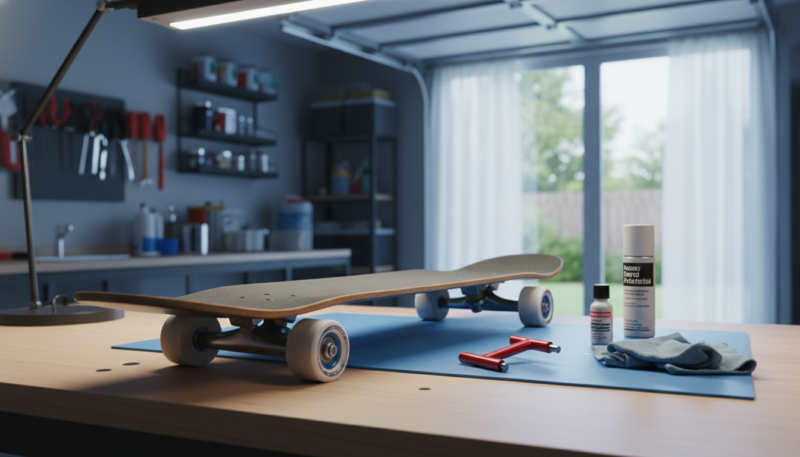
Extreme temperatures can warp the deck and affect the glue that holds the skateboard together. Store your skateboard in a cool, dry place, away from direct sunlight and moisture. Avoid leaving it in a hot car trunk or a cold shed.
| Storage Condition | Effect on Skateboard |
|---|---|
| High Temperature | Can warp the deck and loosen glue |
| Low Temperature | Can make the deck brittle and prone to cracking |
| High Moisture | Can cause rust on metal parts and damage bearings |
Conclusion: Creating Your Skateboard Maintenance Schedule
Consistency is key when it comes to skateboard maintenance, affecting both the board’s lifespan and your skating experience. Regular checks and maintenance tasks, such as inspecting wheels for wear, adjusting truck tightness, and cleaning bearings, are crucial for optimal performance.
Customize your maintenance routine based on your skating frequency and style. For instance, if you skate daily, you may need to clean your bearings weekly and inspect your wheels monthly. Consistent maintenance is more effective than sporadic intensive care, ensuring your skateboard remains in good condition and enhancing your overall skating experience.
By following these tips and creating a maintenance schedule, you’ll extend the life of your skateboard components and improve your safety and enjoyment while skating.
FAQ
How often should I clean my skateboard bearings?
It’s recommended to clean bearings every few weeks, or after skating in dirty or wet conditions, to keep them running smoothly and prolong their lifespan.
What is the best way to clean dirty grip tape?
Use a soft-bristled brush or an old toothbrush to gently scrub away dirt and grime from the grip tape. For tougher stains, a mild soap solution can be used, but be sure to rinse thoroughly to prevent soap residue buildup.
How do I know if my truck mounting bolts are loose?
Check for looseness by attempting to wiggle the trucks. If they move more than expected, tighten the mounting bolts in a star pattern to ensure even pressure.
Can I skate with worn-out wheels?
While it’s possible to skate with worn-out wheels, it’s not recommended as they can affect performance and increase the risk of accidents. Regularly inspect wheels for wear and replace them when necessary.
How do I properly lubricate my bearings?
Apply a few drops of bearing lubricant to the bearings after cleaning and drying them. Rotate the bearings to distribute the lubricant evenly, then wipe off any excess to prevent dirt attraction.
What are the signs that my bearings need to be replaced?
If bearings are making excessive noise, are rough when spun, or show signs of rust or corrosion, it’s likely time to replace them. Regular cleaning and lubrication can extend their lifespan, but eventually, replacement is necessary.
How can I prevent water damage to my skateboard?
Avoid skating in wet conditions, and if your board does get wet, dry it thoroughly, paying extra attention to the bearings and other metal parts. Regularly applying a rust-inhibiting lubricant can also help protect against water damage.
What’s the best way to store my skateboard to prolong its lifespan?
Store your skateboard in a cool, dry place, away from direct sunlight. Avoid leaving it in a hot car or exposed to extreme temperatures, as this can cause damage to the deck, bearings, and other components.
