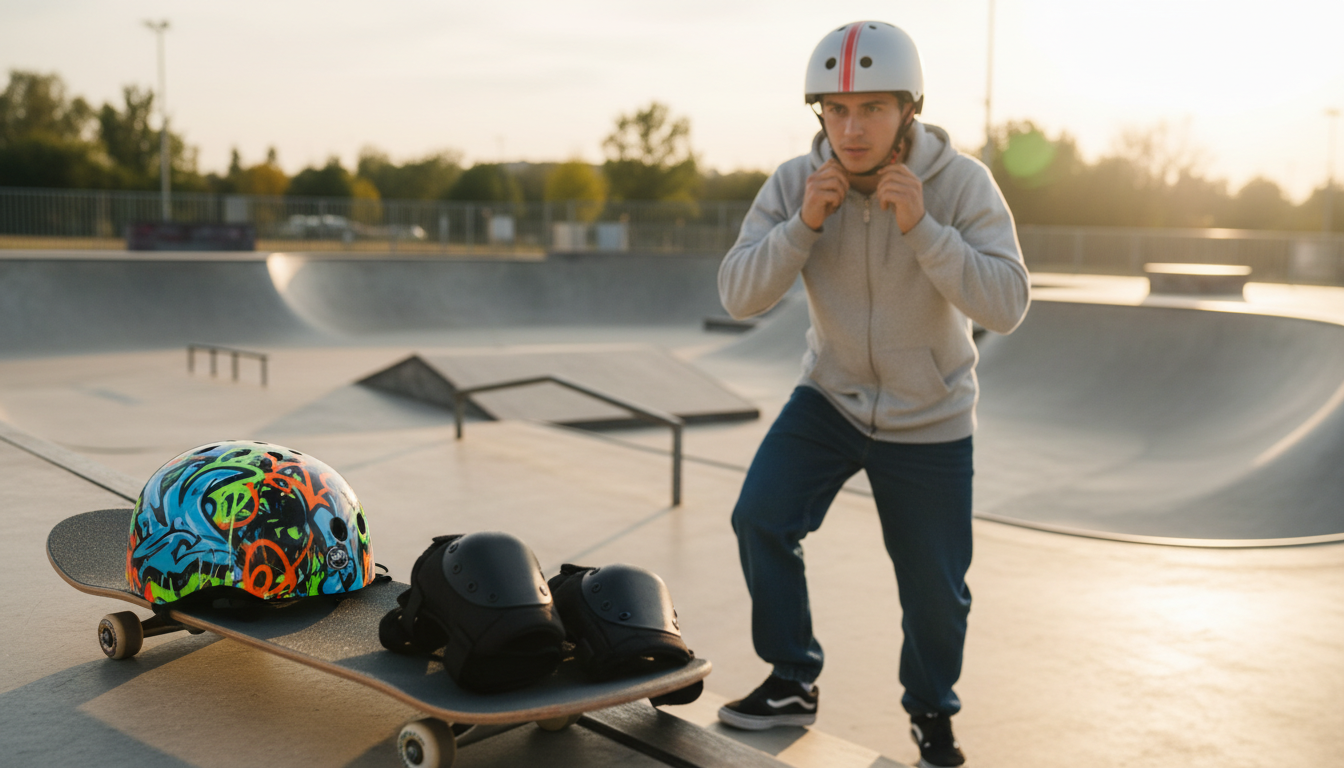
For skaters, safety is paramount, and a crucial piece of safety equipment is a properly fitted helmet. A skateboard helmet provides essential protection against potentially life-altering head injuries. With numerous options available, selecting the right helmet can be overwhelming.
Warehouse Skateboards offers a wide selection of skate helmets from reputable brands like ProTec and Triple 8, ensuring that skaters can find a helmet that fits their needs. The key to optimal safety lies in understanding the different types of skateboard helmets and their safety certifications.
This comprehensive guide will walk you through the process of choosing a certified skateboard helmet that provides proper fit and coverage, helping skaters to enjoy their sport with confidence.
Why Skateboard Helmets Are Essential Safety Gear
The importance of wearing a skateboard helmet cannot be overstated, given the high risk of injury in the sport. Skateboarding is known for its high injury rate, with statistics indicating that it’s not a matter of if, but when, a skater will experience a fall.
Understanding Skateboarding Injury Statistics
Skateboarding injuries are a significant concern, particularly among new and youth riders, who account for a substantial portion of all skateboarding injuries. According to injury statistics, wearing a skate helmet can reduce the risk of serious head injuries by approximately 88%.
| Injury Type | Risk Reduction with Helmet |
|---|---|
| Concussions | 88% |
| Skull Fractures | 88% |
| Brain Hemorrhaging | 88% |
Legal Requirements for Helmet Use Across States
Some states have implemented laws requiring skaters to wear helmets, particularly for those under 18. For instance, California mandates that all skaters under 18 wear a CPSC-certified helmet. Parents should be vigilant about ensuring their kids wear properly fitted helmets at all times when skateboarding.
Skateboard Helmet Safety Certifications Explained
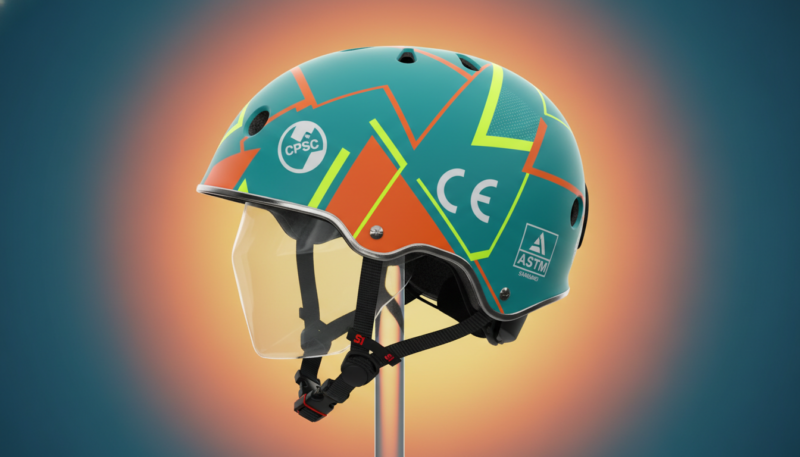
Understanding the different safety certifications for skateboard helmets is essential for making an informed purchase. Skateboard helmets must meet specific safety standards to ensure they provide adequate protection against head injuries.
CPSC Certification Requirements
The Consumer Product Safety Commission (CPSC) certification is the minimum safety standard required by law in the United States for skateboard helmets. To obtain this certification, helmets must undergo rigorous impact testing to ensure they meet basic protection requirements against head trauma.
ASTM Certification Standards
The American Society for Testing and Materials (ASTM) certification provides additional protection beyond the CPSC standard. While not mandatory, ASTM certification is recommended for street skaters and those who ride at higher speeds, as it offers enhanced protection.
Snell Certification for Maximum Protection
Snell certification represents the highest safety standard available for helmets. Snell-certified helmets are designed to withstand high-speed direct impacts, making them ideal for professional skaters, vert ramp riders, and downhill longboarders.
Multiple certifications on a single helmet indicate superior protection levels. Many premium skateboard helmets feature both CPSC and ASTM certifications for comprehensive safety. It’s also important to check local regulations, as some states require specific certifications for riders under certain ages.
How to Find Your Perfect Skateboard Helmet Size
To ensure maximum protection, it’s essential to determine your correct skateboard helmet size. A helmet that’s too large or too small won’t provide adequate safety during impacts. Therefore, measuring your head accurately is the first step in finding the perfect fit.
Step-by-Step Head Measurement Guide
Measuring your head is straightforward. You can use either a soft tape measure or a string to determine the circumference of your skull.
Using Tape Measure or String Method
To measure your head, wrap a soft tape measure or a string around your skull, positioning it directly above your eyebrows and parallel to the ground. Ensure the tape or string is level and not twisted. Record your measurement in both inches and centimeters.
Reading Manufacturer Size Charts
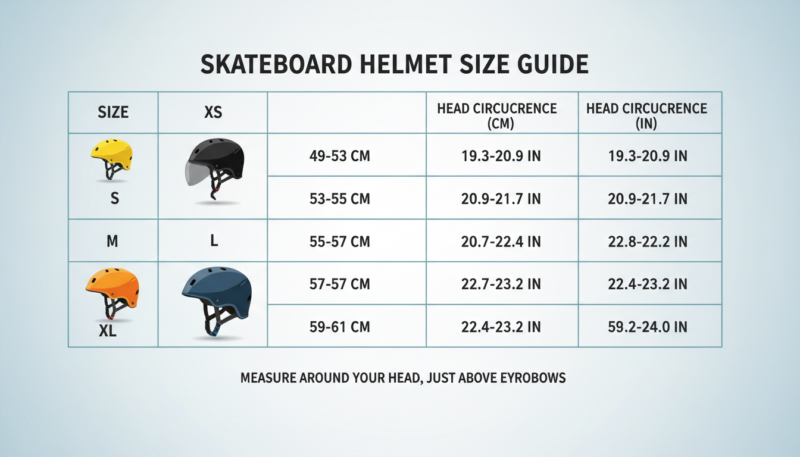
Once you have your head measurement, refer to the size chart provided by the helmet manufacturer. Keep in mind that helmet sizes are not standardized across brands. A “Large” in one brand might be an “Extra-Large” in another. Always check the specific size chart for the helmet you’re interested in.
Between Sizes: When to Size Up or Down
If your head measurement falls between two sizes, it’s generally recommended to size down for a snugger fit. A helmet that’s too large may shift during falls and provide inadequate protection. However, if the smaller size is too tight, you may need to size up.
| Head Circumference | Recommended Helmet Size |
|---|---|
| 20″-21″ | Medium |
| 21″-22″ | Large |
| 22″-23″ | Extra-Large |
Youth vs. Adult Sizing Considerations
Youth helmets are designed for smaller head sizes, typically ranging from 18″ to 20.5″ in circumference. Adult sizes start around 20″ and go up to 24.5″ or larger. Age-appropriate sizing is crucial, with specific helmet sizes designed for different age groups: youth (5-12 years), teens (13-17 years), and adults (18+ years).
Top Skateboard Helmet Brands and Models
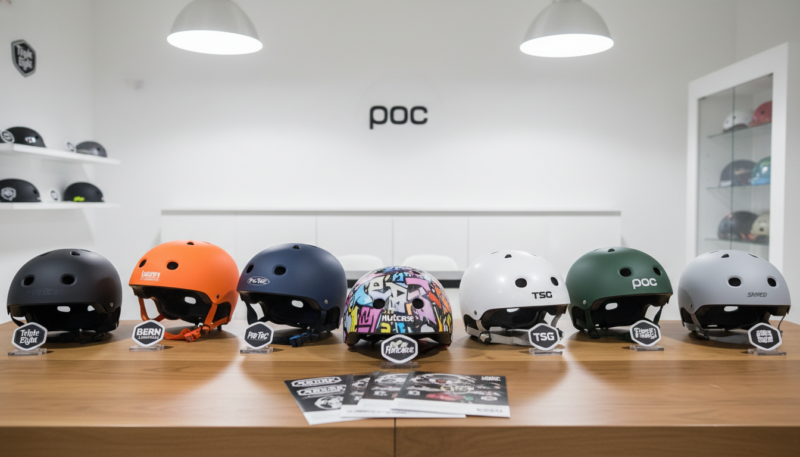
Several reputable brands dominate the skateboard helmet market, offering a mix of quality, safety, and style for riders across various age groups and skill levels. These brands have established themselves through their commitment to producing high-quality helmets that meet or exceed safety standards.
Triple 8 Helmets
Triple 8 is a well-respected brand in the skateboarding community, known for its high-quality helmets. Their Certified Sweatsaver model is particularly popular among professional skaters, including Tony Hawk, due to its removable and washable liner, as well as its CPSC and ASTM certification.
Certified Sweatsaver Features
The Certified Sweatsaver features a removable and washable liner, ensuring hygiene and comfort for skaters. It also meets both CPSC and ASTM safety standards, providing dual-layer protection.
Lil 8 Youth Helmets
For younger skaters, Triple 8 offers the Lil 8 youth helmets, designed for children aged 5-8 years. These helmets provide the same level of protection as their adult counterparts but are sized appropriately for smaller heads.
187 Killer Pads Helmet Collection
187 Killer Pads is another prominent brand in the skateboard helmet market, recognized for its innovative designs and comfort features. Their helmets, such as the Charcoal Blue model, include unique foam inserts for extra comfort and no-pinch buckles with double-adjustable straps.
Pro Sweatsaver Technology
The Pro Sweatsaver technology incorporated into 187 Killer Pads helmets utilizes moisture-wicking materials to keep riders cool and dry during extended skate sessions.
Comfort Features and Adjustability
The helmets from 187 Killer Pads are designed with comfort in mind, featuring no-pinch buckles and double-adjustable straps that ensure a secure and comfortable fit.
ProTec Classic Certified Helmets
ProTec is one of the original skateboard helmet manufacturers and continues to produce high-quality helmets. Their Classic Certified helmets are available in a wide range of colors and feature large ventilation holes and a low-profile design.
Ventilation and Low-Profile Design
The ProTec Classic Certified helmets are designed to provide excellent ventilation, keeping riders cool, and have a low-profile design that reduces bulk without compromising on safety.
Multiple Certification Options
These helmets often come with multiple certification options, including ASTM certification, ensuring they meet rigorous safety standards for various skating disciplines.
Specialty Helmets for Different Skating Styles
Different skating styles require specific types of helmets. For instance, street skating helmets are designed to be more impact-resistant, while downhill longboarding helmets often feature full-face protection to guard against facial injuries at high speeds.
Street Skating Helmets
Street skating helmets prioritize impact resistance and durability, designed to withstand the rigors of street skating.
Downhill and Longboarding Helmets
Downhill and longboarding helmets often feature full-face protection, providing comprehensive coverage for riders who reach high speeds.
Ensuring Proper Helmet Fit and Coverage
The key to effective head protection lies in choosing a skate helmet that fits snugly and comfortably. A helmet that’s too big or small will provide far less protection — or none at all.
The Correct Position on Your Head
To ensure maximum safety, the helmet should be positioned correctly on your head. The front edge should sit approximately two finger-widths above your eyebrows, covering the forehead while remaining level without tilting backward or forward.
Adjusting Straps for Secure Fit
Adjusting the chin straps is crucial for a secure fit. The straps should form a “Y” shape around each ear, and there should be enough room for only one finger between the strap and your chin when buckled.
Testing Your Helmet’s Fit Before Riding
Before you start skating, test your helmet’s fit by attempting to rotate it. A properly fitted skateboard helmet should move your skin slightly when pushed but not roll off or shift significantly. Consider your hairstyle’s impact on helmet fit, especially if you have long hair.
- For skaters with long hair, ponytails should be positioned low enough not to interfere with the helmet’s back coverage.
- Different skating styles require different coverage considerations, such as more comprehensive coverage for vert ramp riders.
- Remember, helmet padding compresses over time, so a slightly tight fit when new will likely be perfect after breaking in.
Conclusion
Ultimately, a good skateboard helmet balances protection, comfort, and style. For skaters of all ages, selecting a certified helmet is crucial. Proper certification, such as CPSC, ASTM, or Snell, ensures the helmet can withstand impacts. Accurate head measurement is essential for the right fit. Top brands like Triple 8, 187 Killer Pads, and ProTec offer various models with advanced technology features. Proper positioning and strap adjustment are also vital. Investing in a quality helmet is investing in your skating future, whether you’re skating street, parks, or ramps.
FAQ
What safety certifications should I look for when buying a skate helmet?
When purchasing a helmet, ensure it meets safety standards set by organizations such as CPSC, ASTM, or Snell. These certifications guarantee the helmet has passed rigorous testing for impact resistance and protection.
How do I measure my head to find the correct helmet size?
To determine your helmet size, wrap a flexible tape measure around your head, about one inch above your eyebrows and ears. Take note of the circumference and compare it to the manufacturer’s size chart to find the best fit.
Can I use a helmet designed for other activities, like biking or football?
While some helmets may be certified for multiple activities, it’s essential to choose a helmet specifically designed for skateboarding. Skate helmets are engineered to protect against the unique impacts and falls associated with the sport.
Are there different sizing considerations for youth and adult helmets?
Yes, youth and adult helmets have different sizing charts. Youth helmets are designed for smaller head circumferences, typically ranging from 20 to 22 inches, while adult helmets accommodate larger heads.
How often should I replace my skate helmet?
It’s recommended to replace your helmet every three to five years or after a significant impact. Over time, the materials can degrade, reducing the helmet’s effectiveness.
What are some top brands for skate helmets, and what features do they offer?
Popular brands like 187 Killer Pads, Triple 8, and ProTec offer a range of helmets with unique features such as varied sizes, colors, and additional padding for enhanced comfort and protection.
How do I ensure a proper fit and coverage with my skate helmet?
To ensure a secure fit, adjust the straps to form a “V” shape around your ears, and tighten the chin strap. The helmet should sit level on your head, with the front edge about one inch above your eyebrows.
