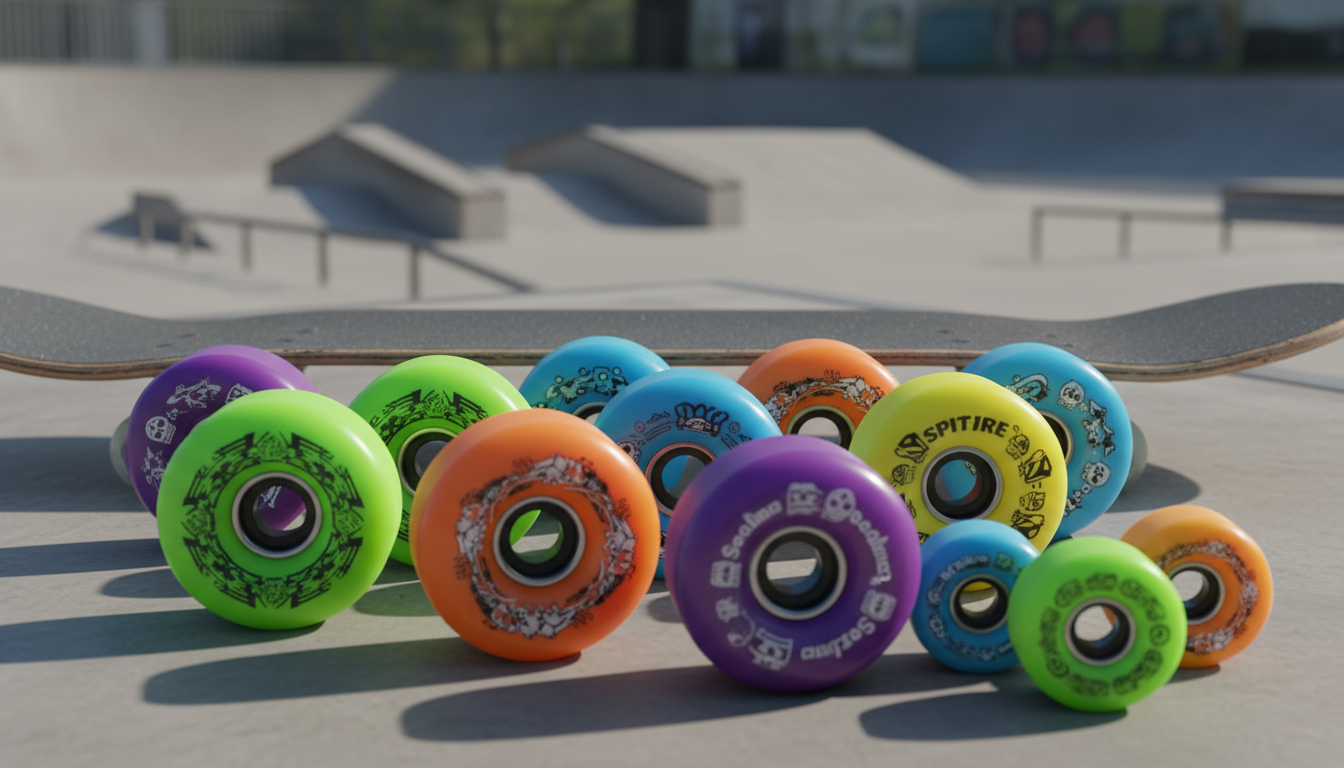
Skateboard wheels are a crucial component of a skateboard, significantly impacting the riding experience. They determine how fast you can go and affect overall performance.
Made of polyurethane, these wheels come in various sizes and hardness levels, catering to different skateboarding styles and preferences. The diameter and durometer of the wheels are key characteristics that influence speed, stability, and maneuverability.
Understanding the specifications of skateboard wheels is essential for optimizing your setup, whether you’re a park skater or a street skater. This guide will explore the critical aspects of wheel diameter and hardness, providing insights into how they impact your skating experience.
Understanding Skateboard Wheel Basics
Understanding the basics of skateboard wheels is essential for any serious skater. Skateboard wheels are a critical component that directly impacts the skateboarding experience.
The Role of Wheels in Skateboarding Performance
Skateboard wheels play a vital role in determining the quality of a skateboarding experience. The performance of a skateboard is heavily influenced by its wheels, which affect speed, control, and overall maneuverability.
The right skateboard wheels can enhance a skater’s ability to perform tricks and maneuvers, while also providing a smoother ride.
Key Factors That Influence Wheel Selection
When selecting skateboard wheels, several key factors must be considered. These include the wheel’s diameter (size), durometer (hardness), shape (including contact patch), and material composition.
| Factor | Description | Impact on Skateboarding |
|---|---|---|
| Diameter (Size) | Affects speed and maneuverability | Larger wheels are faster, while smaller wheels are more maneuverable |
| Durometer (Hardness) | Influences grip and slide | Softer wheels provide more grip, while harder wheels slide more easily |
| Shape (Contact Patch) | Determines the wheel’s contact with the ground | A wider contact patch provides more stability, while a narrower patch allows for more technical tricks |
Skateboard Wheel Size: Finding Your Perfect Diameter
The diameter of your skateboard wheels significantly impacts your skating experience. Whether you’re cruising down the street or performing tricks at the park, the right wheel size can enhance your performance and overall enjoyment.
How Wheel Size is Measured
Skateboard wheel size is measured in millimeters, typically ranging from around 50mm to over 60mm in diameter. This measurement is crucial as it affects the wheel’s speed, maneuverability, and overall performance.
Small Wheels (50-53mm): Benefits and Limitations
Small wheels are ideal for technical street skating and performing flip tricks. They offer better maneuverability and control. However, they can be slower and more affected by rough surfaces.
Medium Wheels (54-59mm): The Versatile Option
Medium-sized wheels provide a balance between speed and maneuverability, making them suitable for both street and park skating. They offer a compromise between the agility of smaller wheels and the speed of larger ones.
Large Wheels (60mm+): Speed and Stability
Large wheels excel at maintaining high speeds and providing stability, particularly for downhill riding, cruising, and transition skating. They roll over rough surfaces more easily but require more effort to accelerate and can be less agile.
| Wheel Size (mm) | Best For | Characteristics |
|---|---|---|
| 50-53 | Technical street skating, flip tricks | High maneuverability, slower speed |
| 54-59 | Street and park skating | Balanced speed and maneuverability |
| 60+ | Downhill, cruising, transition | High speed, stable, less agile |
Choosing the right skateboard wheel size depends on your skating style, the terrain you skate on, and your personal preferences. By understanding the characteristics of different wheel sizes, you can make an informed decision to enhance your skateboarding experience.
Decoding Wheel Hardness: The Durometer Scale
Wheel hardness, measured by the durometer scale, affects skateboarding performance. The durometer scale is used to measure the hardness of skateboard wheels, which is crucial for determining their performance and suitability for different skating styles.
Understanding the A and B Durometer Scales
The durometer scale measures wheel hardness, with the A scale being the most common. The A scale ranges from 0 to 100, with higher numbers indicating harder wheels. Some manufacturers use the B scale, which is used for extremely hard wheels, measuring 20 points fewer than the A scale.
Soft Wheels (78a-87a): Smooth Cruising
Soft wheels provide a smooth ride and are ideal for cruising. They offer more grip, making them suitable for rough surfaces.
Medium Wheels (88a-97a): Balanced Performance
Medium wheels balance speed and grip, making them versatile for various skating styles. They are suitable for both street and park skating.
Hard Wheels (98a+): Technical Precision
Hard wheels offer maximum responsiveness and precision, preferred by advanced skaters for technical street skating and smooth skatepark surfaces. Brands like Bones and Spitfire offer ultra-hard wheels.
| Wheel Hardness | Durometer Scale | Skating Style |
|---|---|---|
| Soft | 78a-87a | Cruising, rough surfaces |
| Medium | 88a-97a | Street, park |
| Hard | 98a+ | Technical street, smooth skatepark |
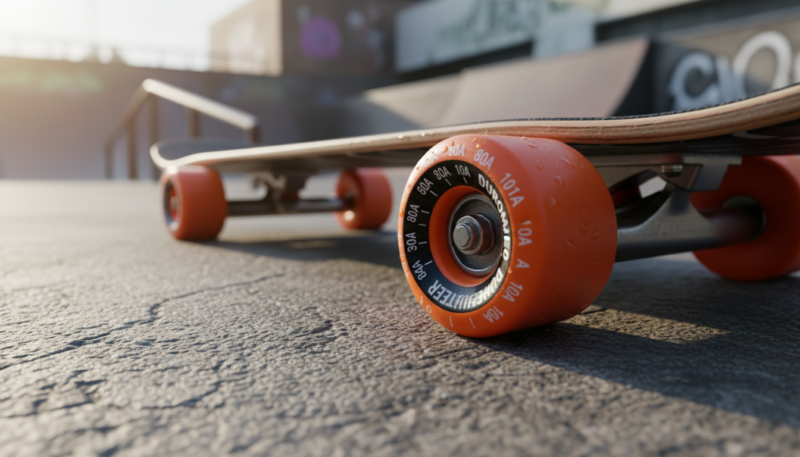
The choice of wheel hardness depends on the skater’s style, preferences, and the terrain they skate on. Understanding the durometer scale helps skaters make informed decisions when selecting skateboard wheels.
Wheel Shape and Contact Patch Explained
Understanding the nuances of wheel shape and contact patch is crucial for optimal skateboarding performance. Skateboard wheels are not just defined by their size and hardness; their shape and contact patch also play a significant role in how they perform. The contact patch refers to the area of the wheel that comes into contact with the ground.
Wide vs. Narrow Contact Patches
The width of the contact patch affects the wheel’s grip, speed, and overall feel. Narrow contact patches are ideal for skaters seeking less friction and weight, making them more responsive to quick movements. On the other hand, wide contact patches provide more grip and stability, making them suitable for beginners and commuters. For more information on choosing the right wheels, visit SkateDeluxe.
| Contact Patch Width | Characteristics | Suitable For |
|---|---|---|
| Narrow | Less friction, more responsive | Technical skaters, street skating |
| Wide | More grip, stable | Beginners, commuters, cruisers |
Lip Shapes and Their Impact on Performance
The lip shape of a skateboard wheel significantly affects its performance. There are three main categories: rounded, square, and conical. Rounded lips are ideal for transition skating as they reduce the wheel’s tendency to catch on obstacles. Square-edged lips provide maximum grip and stability, beneficial for downhill riding and cruising. Conical shapes offer a balance of stability and maneuverability, popular among technical street skaters.
By understanding the different lip shapes and contact patches, skaters can choose the right wheels for their skating style, enhancing their overall performance and experience.
What Are Skateboard Wheels Made Of?
Understanding what skateboard wheels are made of is essential for any skateboarder. The material composition of skateboard wheels significantly impacts their performance, durability, and overall skating experience.
The Evolution of Wheel Materials
Skateboard wheels have evolved significantly over the years, from being made of simple materials to the advanced polyurethane formulations used today. Early skateboard wheels were made from materials like clay, steel, and later, plastic. However, these materials had significant drawbacks, including poor durability and inconsistent performance.
Modern Polyurethane Formulations
Modern skateboard wheels are manufactured using specialized polyurethane formulations that are precisely engineered for specific performance characteristics and skating applications. Premium wheel brands like Bones, Spitfire, and OJ develop proprietary urethane formulas that offer distinct combinations of rebound, durability, and slide characteristics.
| Brand | Formula | Characteristics |
|---|---|---|
| Bones | SPF (Skate Park Formula) | Optimized for park skating, offering high rebound and durability |
| Bones | STF (Street Tech Formula) | Designed for street skating, providing a balance of grip and slide |
| Spitfire | Proprietary Formula | Known for consistent performance and durability |
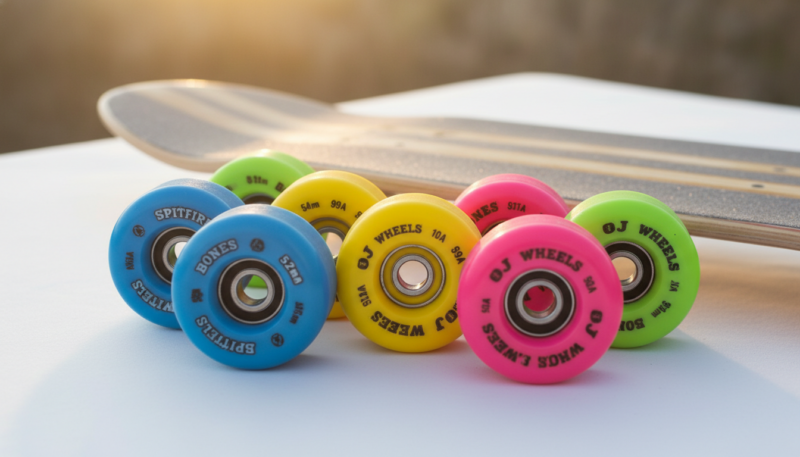
The manufacturing process involves carefully mixing raw polyurethane components, pouring them into molds, and curing them under controlled temperature and pressure conditions. Different chemical additives in the urethane formula affect key performance factors such as rebound, wear resistance, and grip.
Best Skateboard Wheels For Park Skating
The best skateboard wheels for park skating can significantly enhance a skater’s experience. Park skating requires wheels that provide a balance of speed, grip, and durability. When choosing skateboard wheels, skaters should consider factors such as wheel size, hardness, and shape to optimize their performance in the park.
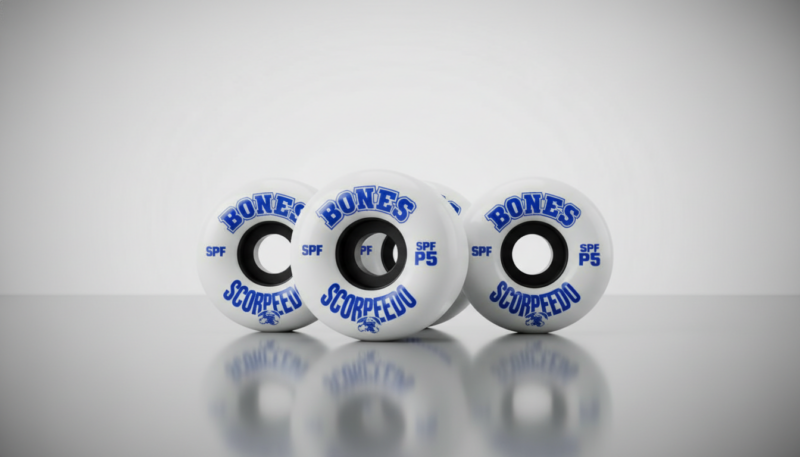
Ideal Size and Hardness for Transition Skating
For transition skating, the ideal wheel size typically ranges from 54-60mm. Wheels within this range provide the necessary speed and control for ramps and bowls. In terms of hardness, wheels with a durometer rating of 84b to 99a are preferred. Softer wheels (84b) offer more grip, while harder wheels (99a) provide faster speeds and smoother slides.
Top Wheel Recommendations for Ramps and Bowls
Some of the top-rated skateboard wheels for park skating include:
- Bones SPF (Skate Park Formula) wheels, particularly in the 56-60mm range with 84b hardness, are industry standards for bowl and ramp skating.
- Spitfire Formula Four wheels in the 54-56mm range with 99a durometer provide excellent all-around park performance.
- OJ Wheels Elite Hardline series (55-56mm, 99a) offers excellent rebound characteristics for maintaining speed through multiple transitions.
For more information on choosing the right skateboard wheels, visit Tactics.com.
Best Skateboard Wheels For Street Skating

For street skaters, selecting the ideal wheels is vital for mastering technical tricks and navigating various street surfaces. The right skateboard wheels can significantly impact performance.
Optimal Wheel Characteristics for Technical Street Tricks
For technical street tricks, wheels with a smaller diameter (51-53mm) and a harder durometer (103a) are preferred. This is because they provide the necessary precision and speed. Skateboard wheels like Bones STF V5 are designed for such applications, offering optimal performance for technical street skating.
Recommended Wheels for Different Street Surfaces
Different street surfaces require different wheel characteristics. For smooth surfaces, harder wheels like Bones STF V5 (54mm, 103a) are suitable. For rougher surfaces, softer wheels such as Spitfire Formula Four (52-54mm, 99a) offer a better ride. Powell-Peralta Dragon Formula wheels provide versatility across various surfaces.
Conclusion: Choosing the Right Wheels for Your Skating Style
Choosing the right skateboard wheels is a crucial step in enhancing your skateboarding experience. The best skateboard wheels are those that suit your individual skating style, preferred terrain, and performance priorities.
For beginners, medium-sized wheels (53-55mm) with moderate hardness (97a-99a) provide a versatile foundation for learning across different environments. It’s also important to consider your truck height when selecting wheel size; low trucks work best with smaller wheels (50-53mm), while higher trucks accommodate larger wheels (54-58mm) without wheel bite.
Experimenting with different combinations of wheel size, hardness, and shape is key to discovering your personal preference. Many skaters maintain multiple wheel sets for different skating locations and conditions. As your skating evolves, your wheel preferences may change, and it’s essential to consider the holistic relationship between your trucks, wheels, and potential riser pads.
For more detailed guidance on choosing the right skateboard wheels, you can explore additional resources. Ultimately, the perfect wheels are those that give you confidence and allow you to enjoy your skateboarding experience to the fullest.
FAQ
What is the ideal skateboard wheel diameter for street skating?
For street skating, a medium to smaller diameter wheel is often preferred, typically in the range of 50-53mm, as it provides a good balance between speed and maneuverability for technical tricks.
How does wheel hardness affect my skating experience?
Wheel hardness, measured on the durometer scale, affects the grip, speed, and durability of your skateboard. Softer wheels (78a-87a) offer more grip and a smoother ride, while harder wheels (98a+) provide less grip but are more durable and better suited for technical, slide-based tricks.
Are larger wheels better for cruising and ramps?
Yes, larger wheels (60mm+) are generally better for cruising and skating ramps because they maintain speed over longer distances and can roll over cracks and irregularities more smoothly, enhancing the overall cruising experience.
What is the significance of the contact patch in skateboard wheels?
The contact patch refers to the area of the wheel that is in contact with the ground. A wider contact patch can provide more grip, which is beneficial for certain skating styles, while a narrower contact patch can facilitate slides and technical maneuvers.
How do I choose the right skateboard wheels for my skating style?
To choose the right wheels, consider your skating style, the terrain you skate on most frequently, and your personal preferences regarding speed, grip, and durability. For example, street skaters often prefer smaller, harder wheels, while those who skate ramps and bowls may prefer larger, softer wheels.
What are the benefits of using high-quality polyurethane skateboard wheels?
High-quality polyurethane wheels offer improved durability, consistent performance, and better overall skating experience. They are less likely to deform or wear down quickly, maintaining their shape and performance over time.
Can the shape of the wheel lip affect my skating performance?
Yes, the shape of the wheel lip can impact your skating. Certain lip shapes are designed to facilitate smoother slides and better performance in specific skating disciplines, such as street or transition skating.
